How To Improve Insulin Sensitivity In Real Life

Insulin sensitivity usually improves through repeated low-drama inputs: more muscle demand, steadier meals, better timing, and enough sleep to let the system recover. Medication can help, but it works best when those basics are already in place.
Movement is the fastest lever
Exercise improves insulin sensitivity because it gives glucose somewhere useful to go. Contracting muscle takes up glucose more effectively, and the effect can persist beyond the workout itself.
Resistance training deserves special emphasis because it changes both the short term and the long term. In the short term, trained muscle handles glucose better. Over time, more muscle means a larger sink for glucose disposal.
That is one reason insulin sensitivity can improve even when the scale does not move.
This is where a lot of people overcomplicate things. The first question is not whether you need an advanced supplement stack. It is whether your muscles are being asked to do enough work each week.
The fastest lever is often movement, not restriction.
Darin Allred
Food: build steadier meals
The useful goal is stability, not punishment. Meals that center protein, include fiber-rich carbohydrates, and are not built around ultra-processed foods tend to produce a steadier glucose response than meals dominated by rapidly absorbed starches and sugars.
A short post-meal walk helps too. Meta-analytic data suggest that walking after meals can meaningfully reduce the glucose rise.
That is one of the rare interventions that is both boring and consistently useful.
A practical scenario: someone eating cereal or toast alone for breakfast feels hungry by midmorning and sleepy after lunch. The same person may do better with a breakfast that contains more protein and fewer fast carbohydrates, plus a ten-minute walk after the largest meal of the day. That is not ideological nutrition. It is fuel management.

Timing still matters
Circadian timing changes glucose handling. In general, the body tolerates glucose better earlier in the day than late at night.
That does not mean everyone needs a rigid fasting protocol, and randomized trials of time-restricted eating have shown mixed results.
The more useful point is simpler: large late dinners, frequent nighttime eating, and highly irregular meal timing often work against the system.
If you only remember one rule here, make it this one: stop asking your body to do its hardest glucose-handling work at the time of day when it is least prepared for it.
Sleep changes the baseline
Sleep is not an optional extra. It changes the ground conditions. One night of partial sleep deprivation can impair insulin action.
Repeated sleep restriction also raises evening cortisoland sleep loss has been linked to increased visceral fat accumulation.
That matters because poor sleep can blunt the benefit of your other efforts. You can train hard and eat carefully, then spend nights undercutting the entire system.
A limitation worth stating clearly: better sleep will not fix everything. Some people have insulin resistance driven by medications, genetic risk, major visceral adiposity, or endocrine disease. But ignoring sleep is a reliable way to make improvement harder than it needs to be.
When medication enters the picture
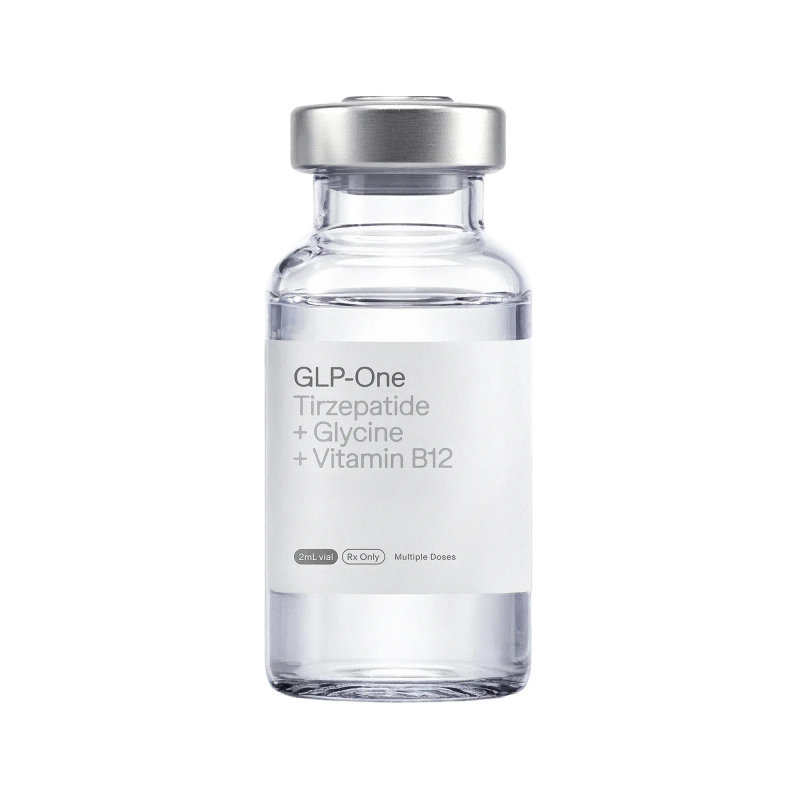
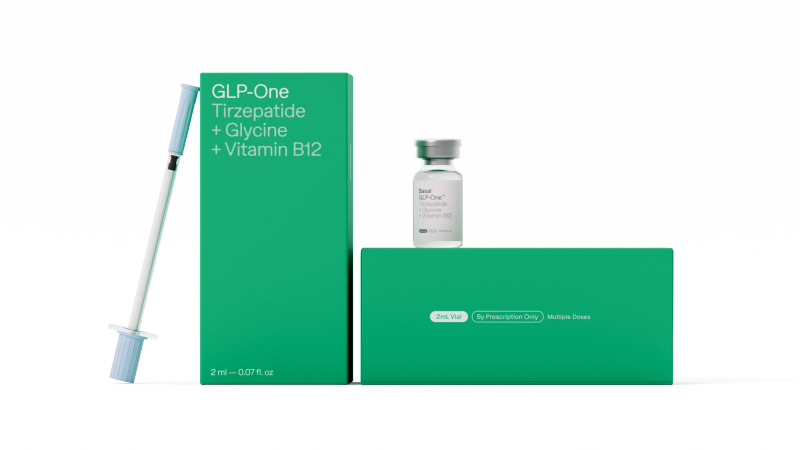
Sometimes lifestyle work is necessary but not sufficient. GLP-1 receptor agonists and other medical therapies can be appropriate when insulin resistance is established, excess adiposity is driving risk, or previous behavior-based attempts have not been enough.
That is not a failure of discipline. It is clinical reality. The caution is that medication should support the system, not replace the habits that protect muscle, sleep, and food quality.
Make the system less overworked and it usually starts listening again.
Darin Allred
Practical payoff
A good first month of work looks plain:
- lift two to four times per week
- walk after your largest meal most days
- build meals around protein and minimally processed foods
- stop making dinner your biggest and latest meal if you can help it
- defend a consistent sleep window
That combination is usually more powerful than chasing one perfect diet rule.
Improving insulin sensitivity is the art of making the body less overworked. That usually means more muscle demand, less glucose chaos, and better timing.
One experiment to try this week: keep breakfast protein-forward and walk for ten minutes after dinner for seven days. One signal to watch is the afternoon energy dip. The tradeoff is that progress often feels subtle before it looks dramatic.
Frequently Asked Questions
Mikines KJ, Sonne B, Farrell PA, Tronier B, Galbo H. "Effect of physical exercise on sensitivity and responsiveness to insulin in humans." Am J Physiol. 1988;254(3 Pt 1):E248-E259
Pan B, Ge L, Xun YQ, et al. "The role of resistance training in influencing insulin resistance among adults living with obesity/overweight without diabetes: A systematic review and meta-analysis." Obes Rev. 2023;24(8):e13578
Petersen MC, Shulman GI. "Mechanisms of Insulin Action and Insulin Resistance." Physiol Rev. 2018;98(4):2133-2223
Bellini A, Nicolo A, Bazzucchi I, Sacchetti M. "The Effects of Postprandial Walking on the Glucose Response after Meals with Different Characteristics." Nutrients. 2022;14(5):1080
Panda S. "Circadian physiology of metabolism." Science. 2016;354(6315):1008-1015
Citations
How To Improve Insulin Sensitivity In Real Life
Mikines KJ, Sonne B, Farrell PA, Tronier B, Galbo H. "Effect of physical exercise on sensitivity and responsiveness to insulin in humans." Am J Physiol. 1988;254(3 Pt 1):E248-E259
Pan B, Ge L, Xun YQ, et al. "The role of resistance training in influencing insulin resistance among adults living with obesity/overweight without diabetes: A systematic review and meta-analysis." Obes Rev. 2023;24(8):e13578
Petersen MC, Shulman GI. "Mechanisms of Insulin Action and Insulin Resistance." Physiol Rev. 2018;98(4):2133-2223
Bellini A, Nicolo A, Bazzucchi I, Sacchetti M. "The Effects of Postprandial Walking on the Glucose Response after Meals with Different Characteristics." Nutrients. 2022;14(5):1080
Panda S. "Circadian physiology of metabolism." Science. 2016;354(6315):1008-1015
Lowe DA, Wu N, Rohdin-Bibby L, et al. "Effects of Time-Restricted Eating on Weight Loss and Other Metabolic Parameters in Women and Men with Overweight and Obesity: The TREAT Randomized Clinical Trial." JAMA Intern Med. 2020;180(11):1491-1499
Donga E, van Dijk M, van Dijk JG, et al. "A Single Night of Partial Sleep Deprivation Induces Insulin Resistance in Multiple Metabolic Pathways in Healthy Subjects." J Clin Endocrinol Metab. 2010;95(6):2963-2968
Leproult R, Copinschi G, Buxton O, Van Cauter E. "Sleep loss results in an elevation of cortisol levels the next evening." Sleep. 1997;20(10):865-870
Covassin N, Singh P, McCrady-Spitzer SK, et al. "Effects of Experimental Sleep Restriction on Energy Intake, Energy Expenditure, and Visceral Obesity." J Am Coll Cardiol. 2022;79(13):1254-1265
Improve
How To Improve Insulin Sensitivity In Real Life

Improve
How to Build Aerobic Reserve
March 20, 2026

Improve
How to build muscle and keep it
March 20, 2026

Improve
How To Support Hormonal Rhythm Without Chasing Optimization
March 20, 2026